Getting to know your customers better without knowing everything: first-party data in 6 lessons
28
August
Category: Data
Marketers often assume that more data means deeper insight, but the reality is more complex : over-collection breeds complexity, silos, and CRM fatigue. According to the AFCDP barometer, 65% of French companies admit to gathering more information than they actually use. This highlights a key imbalance - customer insights built on accumulation rather than relevance.
The goal isn't to multiply data points, but to make smart use of the data that truly matters : first-party data, sourced directly from interactions between the brand and its customers. By observing behaviors and engagement, marketers can build more reliable segmentations and launch actionable campaigns. Rethinking segmentation around first-party data means striving for efficiency and consistency. It also lays the foundation for a more sustainable customer relationship - where data serves the experience rather than becoming an end in itself.
Brands that excel at activating their first-party data increase their revenue by around 20% while cutting their acquisition costs by 30% (McKinsey).
First-party data is the data a company collects directly from its customers, with their consent and through its own channels: website, app, e-commerce, points of sale, emails and loyalty programme.
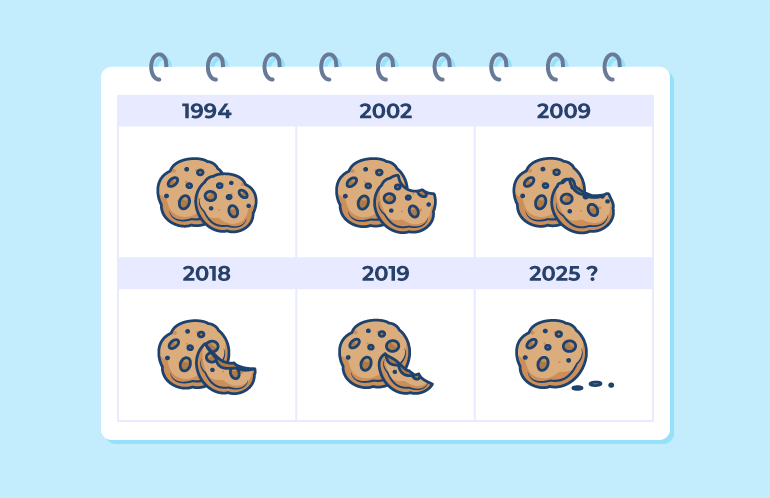
It differs from data bought from third parties (third-party) and data volunteered by customers (zero-party). Reliable, durable and GDPR-compliant, it forms the foundation of actionable customer knowledge in the post-cookie era.
Not all customer data is equal: its origin determines its reliability and its ability to be activated. This table sums up the four main data families and places first-party data among them.
| Data type | Origin | Reliability & Usage |
|---|---|---|
| Zero-party | Volunteered by the customer (preferences, intentions) | Very reliable but declarative, useful for personalisation |
| First-party | Direct interactions (purchases, visits, emails, loyalty) | Reliable, consented, actionable: the foundation of segmentation |
| Second-party | A partner's first-party data, shared | Reliable when partnered with a trusted partner; expands the audience |
| Third-party | Bought from brokers / third-party cookies | Declining (GDPR, end of cookies), unreliable |
Here are six key lessons for getting the most out of first-party data—from avoiding the pitfall of over-collection to activating it through a CDP.
For years, data-driven marketing has been synonymous with the idea that "more is better". But this mindset creates an illusion of control - often leading to wasted time, increased complexity, and fragmented systems.
In the age of GDPR and the decline of third-party cookies data overload no longer makes sense. What matters now isn't volume, but the quality and relevance of data collected directly from customers. That's where first-party data becomes essential : it's reliable, actionable, and rooted in trust between brand and consumer.
Consumers are overwhelmed by marketing messages - repetitive newsletter, poorly targeted campaigns, redundant communications. These are symptoms of a broken relationship between brands and their audiences. "CRM fatigue" isn't a passing trend; it's a slow disengagement caused by an excess of irrelevant messaging.
Today's consumers don't expect marketing to be omnipresent - they expect it to be meaningful. In fact, 64% say they're tired of messages they find too frequent or poorly targeted (KPAM, Customer Trends 2023). What they reject isn't the commercial intent, but its execution when it feels mechanical, repetitive, or out of touch.
This phenomenon is evident even in the act of purchasing: 74% of consumers have abandoned a shopping cart in the last three months, feeling overwhelmed by content and overwhelmed by choice (Accenture, 2024).
Fewer, better-calibrated messages are the way forward. Precision now outweighs repetition. First-party data helps restore balance. Signals from direct engagement - purchases, visits, interactions - reveal true interests. By focusing campaigns on these tangible cues, brands can reduce over-solicitation, improve interaction quality, and bring value back to every conversation.
Traditional segmentation relies on declarative data - age, gender, location, family status. While useful, this data says little about a person's actual interest in a brand or product at any given time.
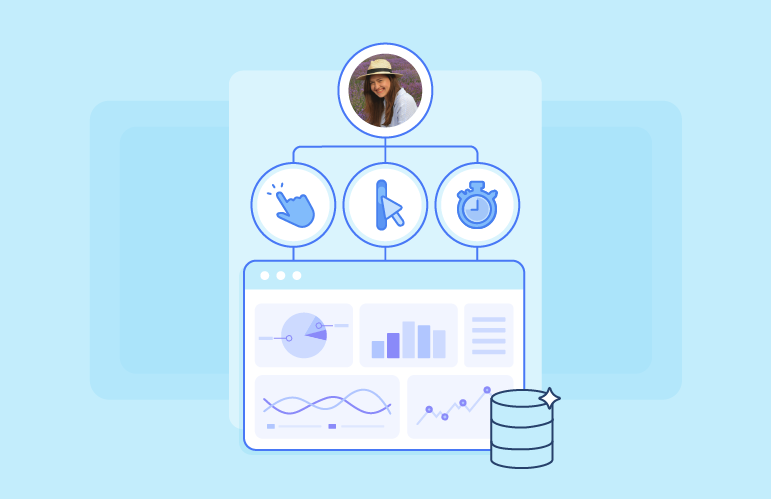
Today's top marketers favor dynamic signals of engagement. These reveal appetite, receptiveness, and intent. Key indicators include :
Behavioral first-party offers a more accurate, real-time view. Engagement becomes the compass guiding customer relationships. By analyzing what people do - not just what they say - brand can adjust marketing pressure, tailor offers and create seamless experiences.
Visible engagement - clicks, opens, purchases - is just the tip of the iceberg. First-party data also contains subtle, "weak signals" :frequent visits without conversion, repeated views of the same category, declining interaction in loyalty programs.
A customer who revisits the same product, slows email engagement, or browses without buying may be signaling intent - or risk. Individually, these signals are hard to interpret. But when combined and analyzed with predictive AI, they become powerful insights.
AI enables marketers to detect churn risk, predict purchases intent, identify upsell opportunities, and time interactions precisely. Instead of waiting for customers to act, brands can proactively engage - using only the value of existing first-party data.
This approach doesn't encourage over-collection - it maximizes what's already there, turning data into actionable intelligence.
Segmentation based on demographics or self-declared data is showing its limits in today's data-rich environment.
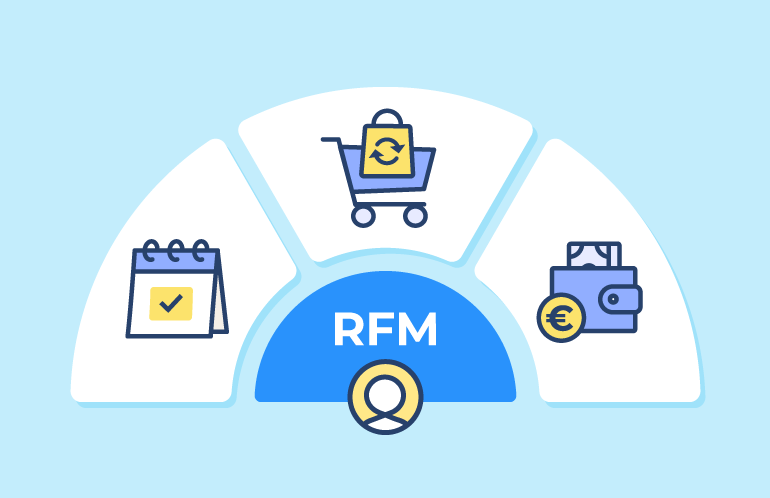
First-party offers a stronger foundation - reflecting real behavior and enabling dynamic segmentation. A prime example is RFM segmentation (Recency, Frequency, Monetary value)s, which classifies customers by transactional engagement. This method helps identify key profiles (VIPs, inactive users, newcomers) and tailor strategies accordingly.
AI-powered targeting, fueled by first-party data, boosts message relevance and campaign impact.
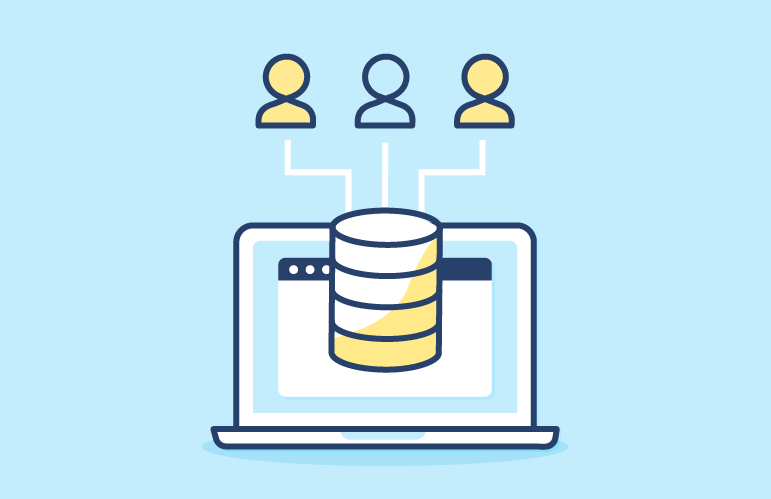
With increasingly complex customer journeys, the Customer Data Platform ( CDP) has become essential. It centralizes and deduplicates first-party data from all sources - websites, e-commerce, stores, CRM, loyalty programs - creating a unified customer view.
This consolidated vision enables activation of segmentations like RFM and full use of weak signals via AI. Rather than juggling fragmented databases, CDPs transform data into actionable insights - reducing CRM fatigue and enhancing campaign relevance.
According to BCG, a retailer that structures the collection of first-party data through its loyalty program and scales one-to-one personalization generally increases its revenue and profit by 3 to 5% (BCG, 2023).
By making data more accessible and intelligible, CDPs free up time for marketing teams to focus on strategy and creativity, not data wrangling. The CDP becomes the bridge between data and intelligent activation.
Knowing your customers better no longer means knowing everything about them. The challenge of data-driven marketing is not to collect ever more, but to find the right balance between quantity and relevance.
Too little data limits personalization. Too much creates complexity and over-solicitation. First-party data, enriched by a CDP and informed by predictive AI, embodies that balance: every interaction becomes relevant, targeted and respectful of the customer relationship.
By prioritizing value over volume, brands can turn data into a true driver of trust, loyalty, and performance.
Want to shift from data overload to data intelligence ? Discover how Splio helps telcos and retailers activate their first-party data with AI.
Table of Contents