Multi-offer campaigns and effective targeting are not mutually exclusive
22
February 22
Category: AI for CRM
People only buy products and services that meet a specific need AND that they can actually afford. This need might be something that makes their lives easier or better, or simply something that makes them feel good. In any case, the product has perceived value.
For marketers, it’s difficult to identify customers who are both able and willing to purchase a specific offer. Fortunately, thanks to the power of AI, CRM marketers can identify those most likely to buy EVEN if the customer themselves doesn’t yet know they want to buy. This is the power of audience building optimized by deep learning —deep learning capable of identifying untapped demand within your CRM database.
But what about campaigns that contain more than one offer?
Building an audience for multi-offer campaigns can be particularly challenging for CRM marketers. You may have a single offer or a set of offers to promote. It’s difficult to target all these campaigns at the same audience, because you’ll need to identify prospects who are interested in all (or most) of the offers included.
The marketing pressure to highlight specific offers in order to meet product and revenue targets makes their job even harder, since marketers don’t have full control over what they want to promote.
A marketer might need to promote an offer to meet a revenue target, clear out excess inventory, highlight a high-margin product, or launch an urgent campaign this week at the category manager’s request. This is where the infamous “skyscraper” emails come from, which feature an endless array of offers within a single campaign.
Your customers will have to scroll endlessly to the bottom of the email to see the offers that appear at the very bottom of the list. It’s unlikely that these offers will get many clicks, and that’s not a good experience for your customers!
From a“targeting”perspective, this approach generally results in full-list mass mailings. After all, with so many offers to promote in a single email, how can you identify the right audience for each one?
Well, that’s where the power of AI powered by deep learning comes into play.
When marketers need to promote numerous offers to meet sales targets, they have to create and send out a large number of campaigns at a high frequency. This approach requires time for planning and strategy—not to mention the effort the creative team must put into executing them.
Above all, the more campaigns you send to your customers, the more likely they are to get fed up. And watch out for your unsubscribe rates… It’s not a good experience for your customers! Multi-offer campaigns allow marketers to promote more products while using fewer campaigns to do so.
When properly targeted, multi-offer campaigns can significantly boost customer engagement. It’s easier to present your customers with offers they want and can afford. This will delight your customers and increase the likelihood that they’ll convert and purchase one or more of the products featured in your communications.
Marketers can also create engaging themed campaigns for their customers—whether it’s about vacations, a big game, summer beach gear, or travel. The list goes on… but anything is possible.
After all, multi-offer campaigns give marketers a great opportunity to increase revenue per campaign sent… an important metric for CRM!
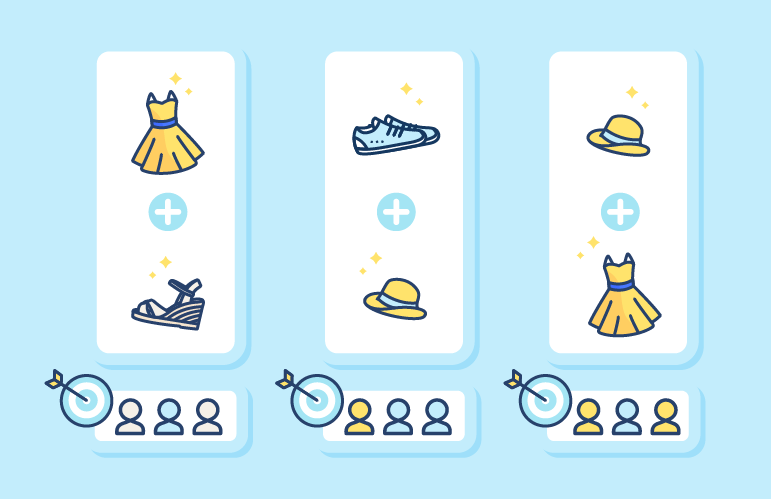
If you have a group of offers to promote, you won’t be able to target them all effectively—don’t you think? Well, that’s not true if you have access to the power of deep learning. You can actually run targeted campaigns even when you have multiple offers to promote. The key is to identify the offers that will reach similar audiences.
What’s more, it’s possible to generate additional revenue streams. Wouldn’t your marketing manager or your company’s key stakeholders be thrilled if you could propose new campaigns that generate revenue from products that haven’t been fully tapped yet?
Some products may have niche audiences for whom it wouldn’t be cost-effective to create specific campaigns. These offerings are therefore excellent candidates for being bundled with other, larger offerings within the same marketing campaign. After all, you likely have customers who are willing and able to purchase these products, even if you can’t yet identify them using traditional targeting and segmentation strategies.
When there are a large number of offers to promote, multi-offer campaigns are an excellent way to boost your production capacity. When these campaigns are well-targeted, marketers can ensure that the audiences receiving them are relevant to the offers included. This makes it possible to tailor multi-offer campaigns and include only those that are relevant to specific audiences.
Let’s talk a little more about the challenge posed by sales pressure. When CRM marketers are able to identify the offers that have the greatest overlap in potential audiences, they can create more robust campaigns without compromising the relevance of their communications. This is a powerful tool that helps marketers meet all of their company’s expectations without compromising the customer experience!
The best solution—and potentially the only one—is to use deep learning AI to identify the customers most likely to purchase a particular product. For every product in your catalog, you’ll find customers who are both able and willing to buy. AI can identify subtle signals that can reliably predict purchasing intent.
Most traditional targeting methods rely on analyzing explicit behaviors, such as visiting a website or making a purchase; however, 1) this method can sometimes lack precision, and 2) it overlooks hundreds of unidentified opportunities, as some customers will be excluded from your segments even though they might have converted!
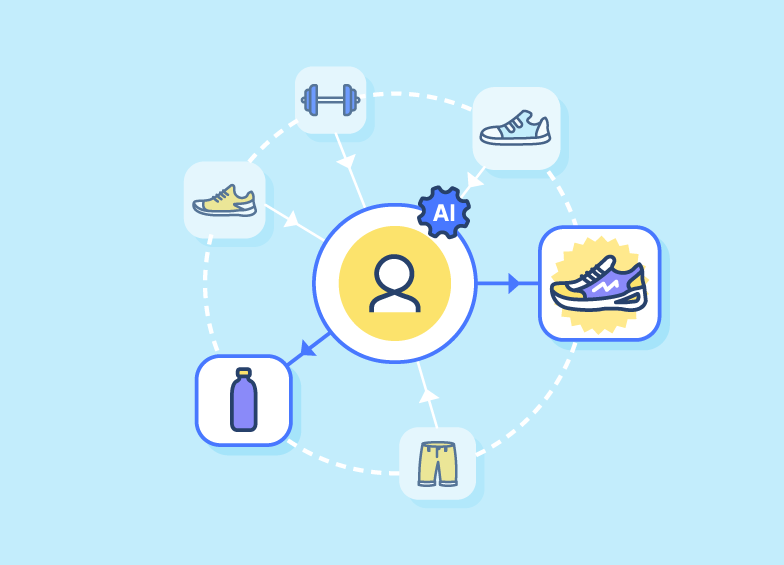
Once you’re able to identify demand for a set of offers, you’ll also be able to identify the overlap between those demands. Let’s say you’re promoting a beachwear campaign. Deep learning can help you identify the offers with the highest overlap of high-intent buyers. Perhaps a pair of sandals and a summer dress have a high overlap… and so these two offers should be included in the same multi-offer campaign!
This approach can also help you decide which offers to exclude or promote in another campaign targeting a different segment of your audience. Perhaps a pair of sunglasses you were considering including has a relatively low overlap of potential buyers… it would be better to include it in a one-off campaign or in another multi-offer campaign featuring offers that have a higher overlap of high-intent buyers with the sunglasses offer.
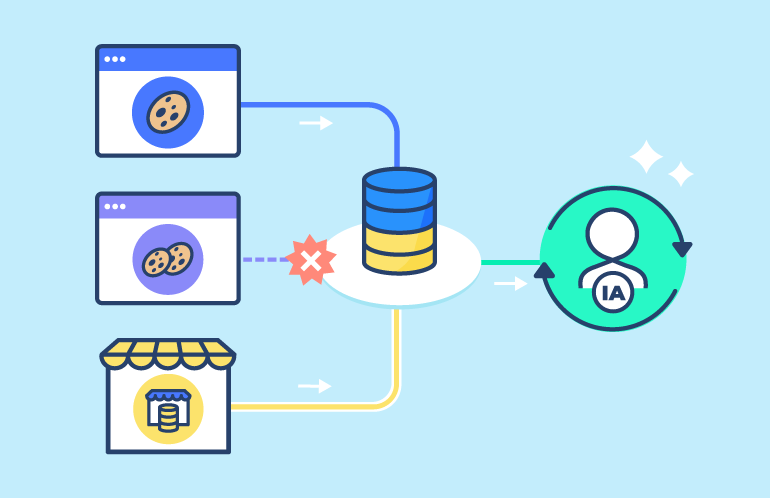
All of this can be identified using only your first-party data. You don’t need to purchase expensive databases or use data that might not comply with current privacy regulations. You can use all the data you currently have at your fingertips: email addresses, ZIP codes, demographic data, web behavior, transaction data… All of it can tell you everything you need to know.
If you’ve been able to identify current demand for each product in your catalog and can update that demand in near real time, you can be sure that the campaigns you launch will target the most relevant customers.
Whether you need to run multi-offer campaigns due to a high volume of campaign requests driven by sales pressure, whether you have a seasonal campaign to manage, or whether you simply want to find new revenue opportunities, by using deep learning, you can now target the right customers… even with multiple offers.
Table of Contents