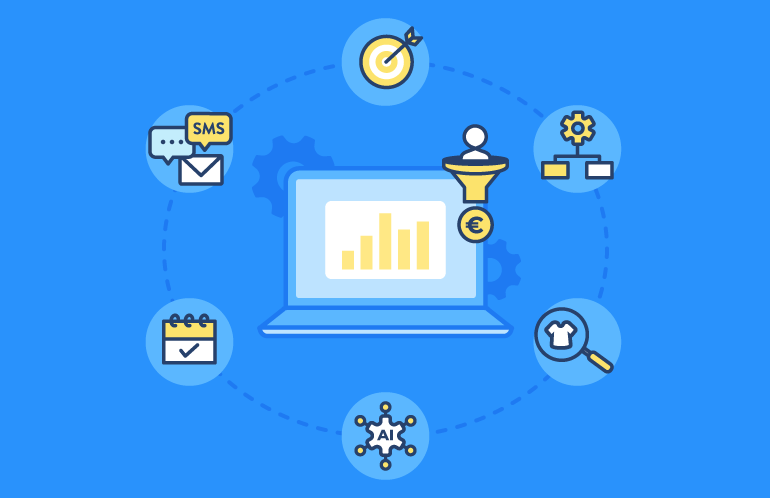
How does CDP transform Marketing Automation ?
29
May
Category: Data
The digital marketing era is characterized by impressive growth dynamics (with annual growth of 14% annual growth), demonstrating its central role in modern business strategies. This trend is reinforced by marketers' confidence. 89% of them plan to increase or stabilize their digital marketing budgets. This underlines the crucial importance of automation and customer data management technologies.
The interaction between the Marketing Automation platform and the Customer Data Platform (CDP) opens up new avenues for businesses. It enables them to understand and engage effectively with their customers, while maximizing return on investment.
In this context of rapid digital transformation, how companies can leverage CDP and Marketing Automation to challenge their digital marketing approaches, ensures greater personalization and effectiveness of their marketing campaigns.
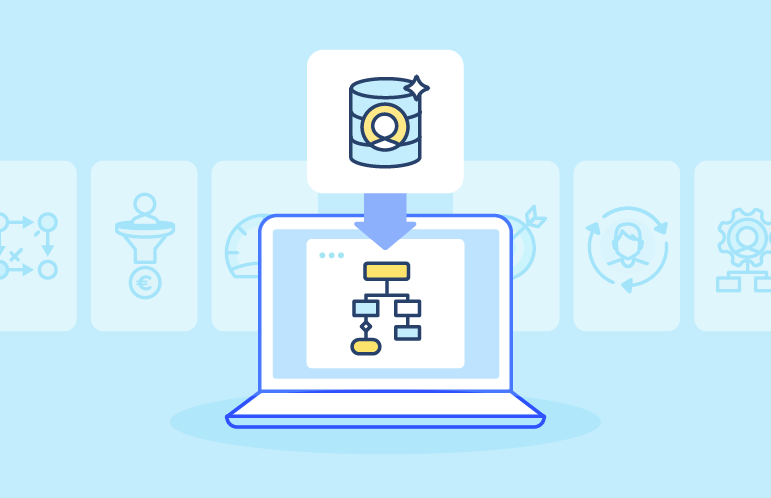
The CDP (Customer Data Platform) plays a transformative role in Marketing Automation by revolutionizing the way customer data is managed and used. This technology centralizes information from various sources, such as social media, CRM systems, websites, and other interactive platforms. By bringing this data together, the CDP creates a comprehensive, multidimensional customer profile. This data unification is crucial because it provides a holistic view of the customer, which is essential for understanding their needs and behaviors. This data unification is crucial because it provides a holistic view of the customer, which is essential for understanding their needs and behaviors.
One of the most innovative aspects of integrating the CDP into Marketing Automation the ability to personalize interactions in real time. With access to up-to-date and detailed data, companies can now dynamically tailor their communications and offers. They can respond immediately to customer actions and preferences and deliver a better customer experience. This responsiveness not only improves customer engagement but also increases the effectiveness of marketing campaigns.
CDP also offers an in-depth understanding of the customer journey by analyzing interactions across different touchpoints. This analytical capability provides valuable insights that are essential for optimizing marketing campaigns. By better understanding how customers interact with different channels and what their preferred touchpoints are, companies can fine-tune their marketing strategies to better meet customer needs and expectations.
In-depth research and case studies conducted by independent digital marketing research institutes have highlighted the significant benefits of using Customer Data Platforms for marketing teams.
The firm Forrester reports in several of its analyses that companies implementing CDPs see a significant improvement in customer satisfaction of between 25% and 35%. This improvement is generally attributed to companies' ability to respond in a more relevant and personalized way to customer needs and expectations . This is the result of better data understanding and customer knowledge.
The adoption of CDP is not only seen as a competitive advantage, but is becoming a necessity to meet consumers' increasingly personalized expectations.
This trend points to a significant evolution in marketing strategies, where an in-depth understanding and effective use of customer data is becoming paramount to increasing customer engagement and, consequently, overall company profitability.
The growing importance of CDPs in personalization strategies is no longer a doubt. 61% of marketers believe that a CDP will be an essential element of their personalization efforts. This figure highlights the growing awareness among companies of the added value of CDPs in creating tailored customer experiences.