How can you optimize your Marketing Automation a CDP?
18
June
Category: Data
The strategic use of the Customer Data Platform is a key driver for increasing the effectiveness and relevance of marketing initiatives. By consolidating and cleaning customer data, the CDP enables companies to deploy more targeted and personalized automated marketing strategies.
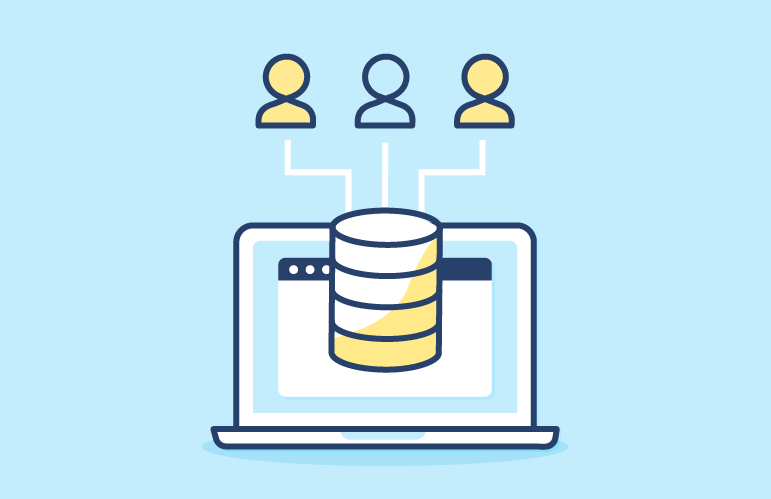
The first fundamental step in optimization through a CDP is the centralization of customer data. This data, which is often fragmented and scattered across various sources, is consolidated within the CDP. This centralization creates a single, comprehensive customer data repository, facilitating deeper analysis and better marketing decision-making. At the same time, a rigorous data cleansing process is applied to eliminate duplicates, correct errors, and update outdated information, thereby ensuring the reliability and accuracy of the data.
The use of a CDP for personalized automation marks a significant turning point for marketers—and, ultimately, for the customer experience. These platforms enable companies to leverage vast datasets to develop sophisticated personalization strategies. At the heart of this approach is detailed customer segmentation, which goes beyond simple demographic criteria to include purchasing behaviors and individual preferences.
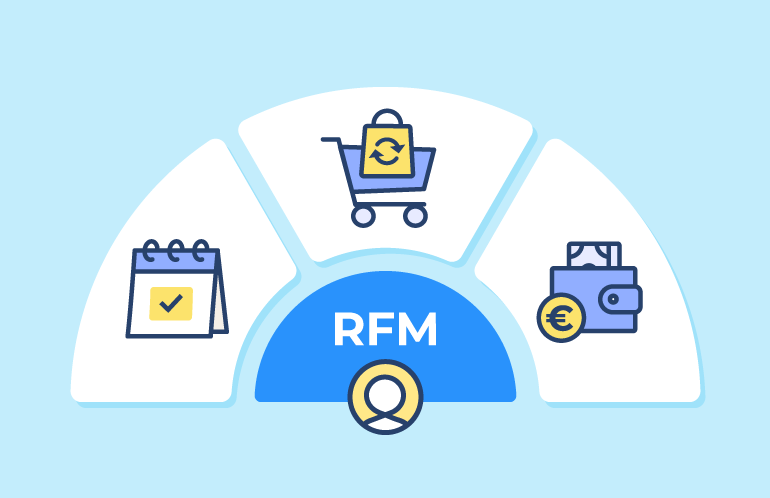
Methodologies such as scoring RFM (Recency, Frequency, Monetary value) play a crucial role in refining this personalization. They enable a better understanding and categorization of customers based on their recent interactions with the brand, the frequency of their purchases, and the amounts spent. This detailed analysis leads to the creation of highly targeted marketing campaigns, offering highly relevant content for each customer segment.
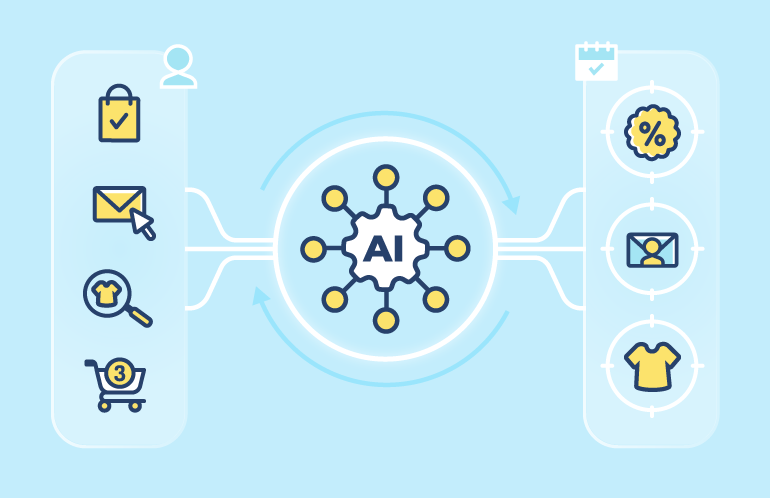
Furthermore, the integration of artificial intelligence and machine learning into CDPs can take this personalization to an even higher level. Algorithms can anticipate customer needs and preferences, enabling businesses to deliver proactive and personalized offers and communications. This ability to predict and respond to customer needs in real time transforms the customer experience, making it more seamless, engaging, and satisfying.
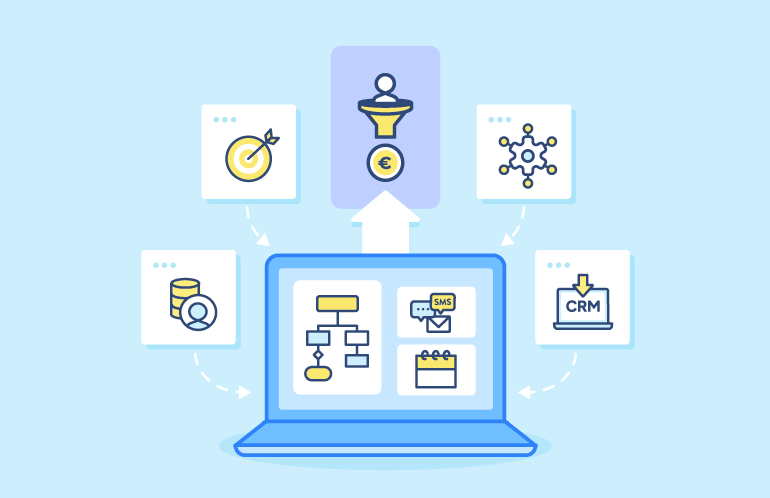
Integrating CRM into Marketing Automation processes, enhanced by the CDP, delivers significant added value. By combining the deep insights provided by the CDP with the relationship data from the CRM, companies gain a thorough understanding of customer needs and preferences. This data integration enables the development of more impactful communication strategies and precisely targeted commercial offers.
As a result, this integrated approach can significantly boost customer engagement and conversion rates. For example, an email campaign built on CRM data and enhanced by insights from the CDP can achieve response rates well above average because it is more precise and relevant.
The implementation of intelligent automation and effective post-personalization workflows is a major strength of the CDP. The detailed, up-to-date data provided by the CDP enables the creation of automated, responsive customer journeys. For example, if a customer shows interest in a specific product but does not complete the purchase, the CDP can automatically trigger a personalized workflow, such as a follow-up email containing additional information or a targeted promotional offer for that product. This form of automation not only improves the performance of marketing campaigns but also enriches the customer experience, making it more engaging.
Table of Contents