Put email marketing on autopilot mode
11
December
Category: Email marketing
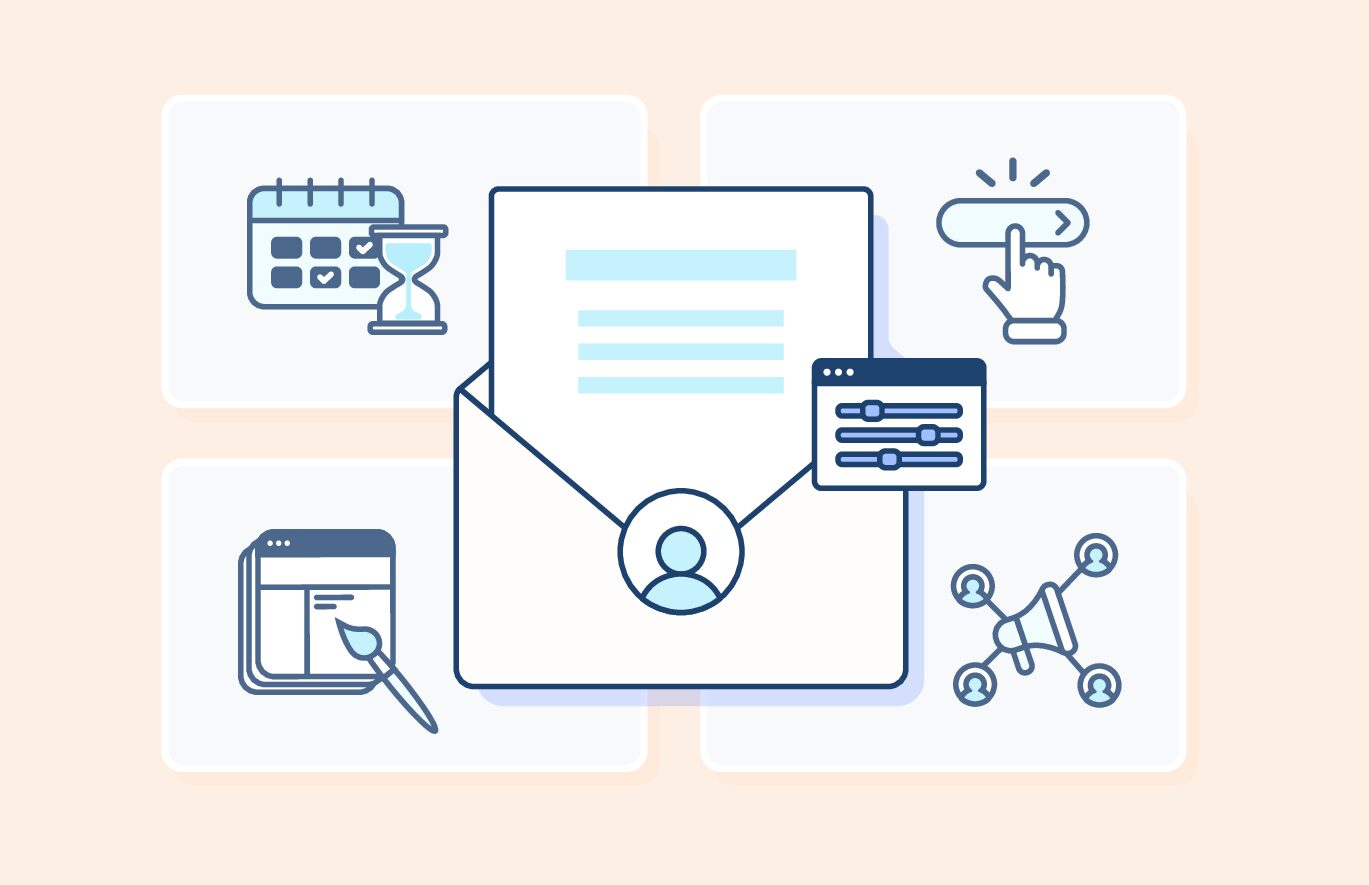
Applying marketing automation to email campaigns enables you to create personalized customer experiences at scale optimizes every customer interaction and maximizes the impact of each marketing campaign. Automation transforms email marketing from a simple mass mailing tool into a powerful vehicle for targeted and contextual communication, tailored to each customer's unique journey.
Implementing an effective marketing automation strategy requires a methodical and thoughtful approach. Here are the essential steps to set up a marketing automation solution tailored to a company's specific needs:
1️⃣ Define marketing objectives: It is crucial to clearly determine what you want to accomplish with marketing automation, whether it is increasing conversion rates, improving customer engagement, or generating qualified leads.
2️⃣ Identify processes to automate: This step involves analyzing current marketing tasks to determine which ones can benefit from automation.
3️⃣ Define functional requirements: Each company has specific needs. Start by clearly determining the essential features to achieve the set objectives.
4️⃣ Analyze budget and available resources: Marketing automation requires an initial investment. You must define a realistic budget and assess the human resources needed to manage the tool.
5️⃣ Train the team: To get the most out of marketing automation tools, it is essential to adequately train the marketing team in their use.
Choosing the right marketing automation software is a crucial step in this process. Several factors should be considered, such as ease of use, compatibility with existing tools, features specific to email marketing, and the quality of customer support offered. A suitable marketing automation tool can make all the difference in the success of an email marketing strategy.
Creating high-performing email marketing campaigns is at the heart of a successful marketing automation strategy. Using pre-designed email templates is a common practice that saves time while maintaining visuel consistency in communications. These email templates can be customized to reflect brand identity and adapted according to different types of campaigns.
Personalization is a key element in increasing the chances of success for email campaigns. It can take several forms :
Note: personalized emails generate open rate up to 18.8% higher than non-personalized emails.
Optimizing email campaigns is an ongoing process that greatly benefits from marketing automation tools. Contact list segmentation is a powerful technique for creating targeted and relevant campaigns. By dividing the audience according to demographic, behavioral, or engagement criteria, you can send messages that truly resonate with each segment.
Creating landing pages optimized for conversion is another crucial aspect of campaign optimization. These pages must be carefully designed to maximize the chances of conversion.
Here are some elements to consider :
Managing marketing pressure is also a determining factor in the success of email marketing campaigns. Marketing automation tools allow messages to be sent at the right time to maximize open rates. By analyzing engagement data, it is possible to determine the best sending times for each audience segment.
For a truly effective marketing strategy, it is essential to integrate marketing automation with other communication channels. Social media, in particular, offers many opportunities to strengthen email campaigns. Here are some integration strategies:
Aligning campaigns with the company's website is also crucial for creating a consistent user experience. This involves ensuring that messages, offers, and visual identity are aligned across all customer touchpoints. A consistent experience strengthens customer trust and improves the overall effectiveness of marketing campaigns.
Analyzing results is an essential step to continuously optimize future marketing campaigns. Marketing automation tools offer advanced reporting and analytics features that allow you to track key metrics such as :
This data helps identify what works well and what needs improvement. Marketing automation tools also make it easy to implement A/B testing on emails and landing pages. These tests enable optimization of various elements such as email subject lines, content, CTAs, or landing page design.
Email marketing automation has become an essential tool for companies seeking to optimize their digital communication strategies. The benefits are numerous : better message personalization, increased campaign effectiveness, and significant improvement in marketing results.
To effectively integrate marketing automation into an overall strategy, you should follow a methodical approach. This begins with identifying processes to automate, choosing marketing automation software suited to the size of your database, and continues with creating quality, personalized content. The focus should ultimately be on continuous improvement, using data and insights generated by automation tools to constantly refine strategies.
Ultimately, success in marketing automation restes on a balance between using technology and a deep understanding of customer needs and behaviors. Bu adopting this approach, companies can create more engaging, personalized, and effective customer experiences, leading to sustainable business growth.